

Oh my gosh, you just have to see what I’ve been testing lately! You know how food trends pop up all over the internet, and honestly, sometimes I roll my eyes because they never measure up? Well, this time was different. I’m so excited to share the absolute game-changer: the Viral Cottage Cheese Flatbread. This isn’t just another trendy snack; it’s actually a fantastic, high-protein, low-carb base that fits perfectly into any healthy eating plan.
When I first tested this flatbread, I honestly didn’t expect much—but the texture surprised me in the best way. Seeing a trending recipe actually work in a real kitchen was so satisfying. Seriously, you can whip this up faster than your morning coffee takes to brew. If you want an easy skillet flatbread that feels satisfying, stick with me. You can find more of these fun must-try trend recipes right here on the blog!
Why This Viral Cottage Cheese Flatbread is a Kitchen Must-Try
Trust me, this recipe is trending for a reason—it delivers major benefits without any fuss! You’re getting a serious nutritional boost in one simple disc.
- It’s packed with protein, which keeps you full way longer. Check out how we boost protein in our pancakes, too!
- It keeps the carbs super low, making it a fantastic healthy bread alternative.
- From blender to baking sheet, it takes almost no active time at all.
- It’s incredibly versatile—use it for wraps or even a quick base for a snack plate.
Gathering Ingredients for Your Viral Cottage Cheese Flatbread
Okay, this is the best part! Getting the ingredients ready for this cottage cheese flatbread is so easy because you only need five things, and most of them are probably already in your fridge or pantry. Don’t stress about fancy items here; simple, good ingredients are what make this recipe shine.
Essential Components for the Cottage Cheese Flatbread
- 200 g Cottage cheese
- 2 Eggs
- 60 g All-purpose flour
- 1/2 tsp Baking powder
- Salt, to taste
That’s it! Having your eggs ready and the cottage cheese measured out means you can move straight to the blender, which is where all the magic starts for this healthy bread alternative.
Equipment Needed for the Viral Cottage Cheese Flatbread Recipe
You don’t need a lot of fancy gadgets for this recipe, which is part of why it became so viral! We are keeping things straightforward here so you can get this easy skillet flatbread going quickly. Because the batter starts super wet, having the right tools really helps ensure you get that thin, even spread we are looking for.
You will need just two main pieces of equipment:
- A Blender: This is non-negotiable! You need to blend the cottage cheese until it is totally smooth, almost like a rich cream. A food processor might work in a pinch, but a traditional blender just does a better job here.
- A Baking Sheet: This is where we bake the batter until it turns into that perfect disc. Make sure you have parchment paper ready to line it so cleanup is a breeze!
That’s it for this healthy bread alternative. Keep those two items handy, and you’re ready to go when ingredient prep is finished!
Step-by-Step Instructions for the Viral Cottage Cheese Flatbread
Getting this viral flatbread recipe right is all about the blending. Forget whisking or stirring; we need power to break down that cottage cheese into a pancake-smooth liquid. Don’t worry if your blender sounds like it’s working hard—that smooth mixture is exactly what we’re aiming for to avoid any grainy bits in your final bread!
Mixing the High Protein Flatbread Batter
First, get everything—the cottage cheese, the eggs, the flour, the baking powder, and that pinch of salt—right into your blender jar. Now, you really need to blend this until it looks perfectly uniform. I mean it—run that blender until there are absolutely no lumps of cottage cheese hiding anywhere. If it looks slightly grainy, keep going! This step guarantees that wonderfully smooth, almost crepe-like texture we want in our high protein flatbread. It shouldn’t take more than a minute or two!
Once it’s silky smooth, get your baking sheet ready. Line it with parchment paper—this is the secret to not having a sad, stuck mess.
Baking Technique for the Viral Cottage Cheese Flatbread
Pour all that beautiful batter right onto the prepared parchment paper. Now, be patient and spread it out super thinly. You want a flatbread, not a thick pancake! Use the back of a spatula to gently push it into a nice round shape, keeping the edges as thin as you can manage, like the naan recipe you might be familiar with. We are looking for golden, slightly crispy edges when we pull this Viral Cottage Cheese Flatbread out.
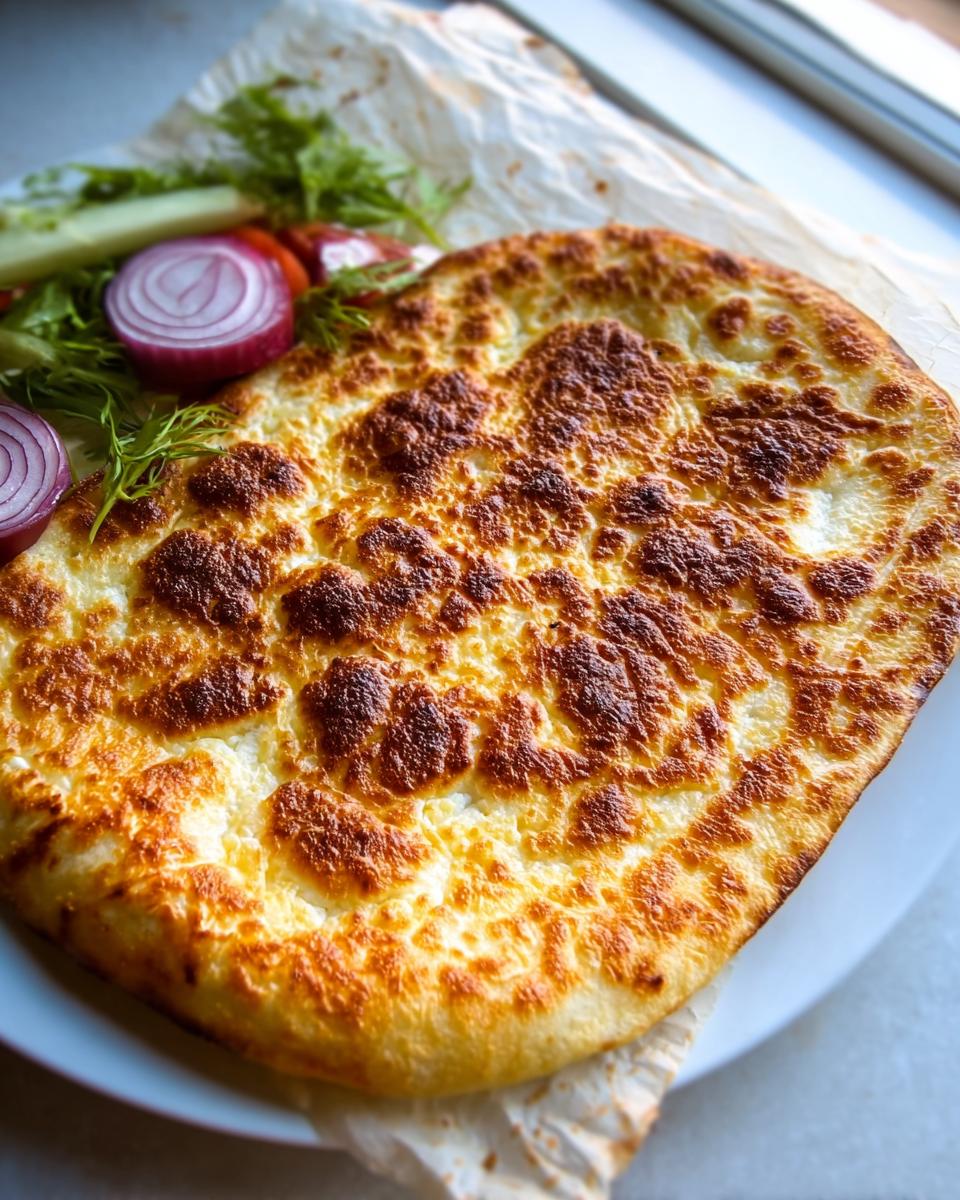
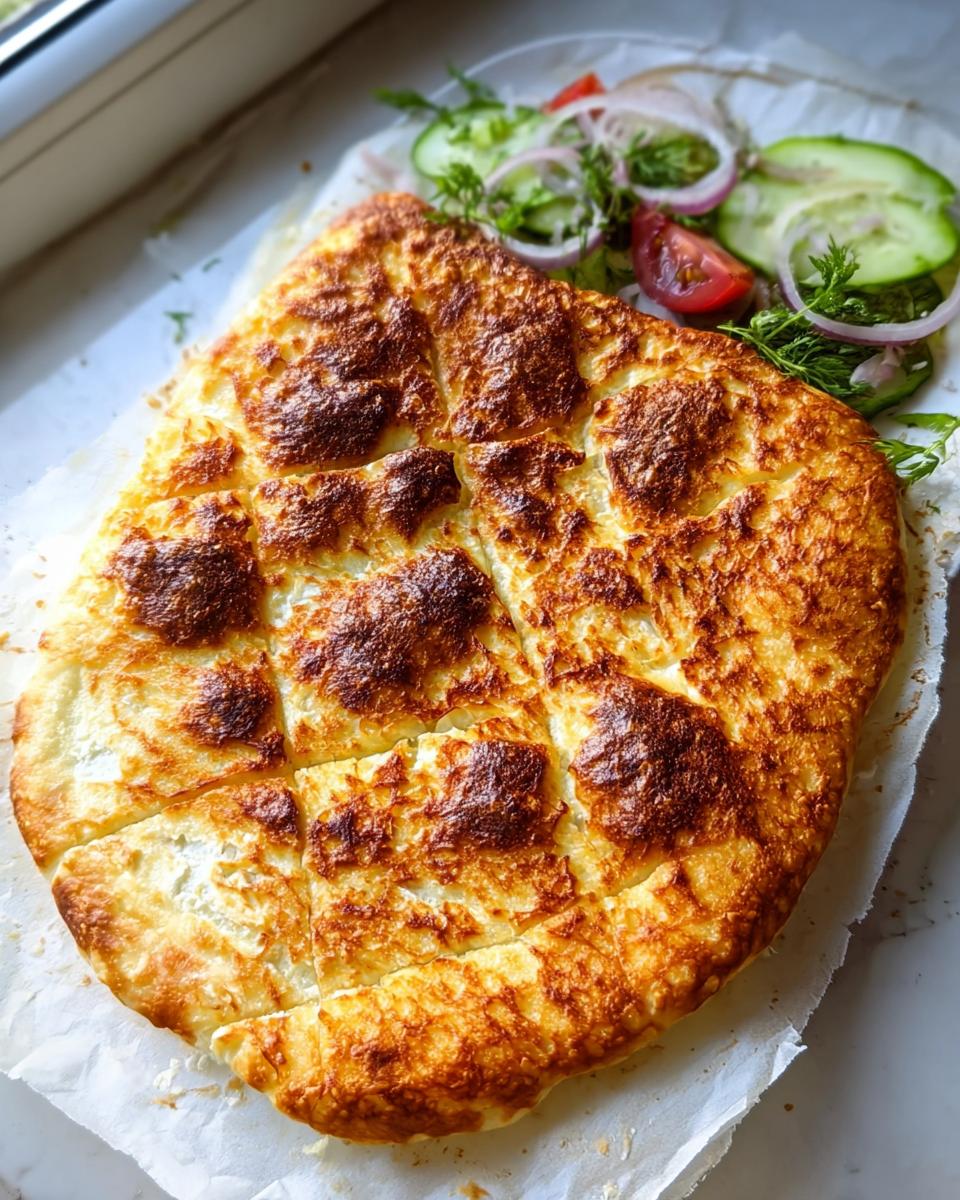
Pop that sheet into an oven preheated to 180°C (350°F). It only needs about 20 minutes. You know it’s done when the surface looks totally set and the edges are starting to turn a lovely golden brown. Let it cool just slightly before slicing. I always check out baking tips whenever I try something new, just to be sure I haven’t missed anything tricky!
Ingredient Notes and Substitutions for Cottage Cheese Flatbread
When you are dealing with a recipe that relies on blending, the quality and type of your dairy make a huge difference, I’ve learned. For this cottage cheese flatbread, I’ve found that using smooth-style cottage cheese works best. If you only have small curd, that’s fine, but you have to really commit to that initial blending step to make sure every last speck is pulverized. If you don’t blend it well, you end up with a spongier texture, and we want thin and pliable!
As for the flour, I stuck with all-purpose, but feel free to experiment if you’re looking for a slightly different result. My friend tried swapping in oat flour to see if she could make it even healthier, and it worked, though the edges got a little less crispy, which is important for a good chapati-like texture. And hey, don’t forget the salt! Even in a recipe with cheese, the right amount of salt just perks everything up. See my thoughts on different salts, like kosher vs. sea salt, if you’re curious.
Tips for Mastering the Viral Cottage Cheese Flatbread Texture
Listen, I’ve made this thing about a dozen times now, and I’ve figured out the little tricks that make the difference between a great flatbread and one that’s just okay. The biggest thing? Thickness! If you use all the batter and spread it too thick, you end up with a slightly soggy middle, even when baked. You want to be brave and spread it *thinly*!
If you skip the oven entirely and want an easy skillet flatbread version, make sure your pan is properly non-stick and heated to medium-low. If the pan is too hot, the outside burns before the inside cooks, and that ruins the whole appeal. Flip it carefully once the bottom is set—it gets surprisingly delicate!
For the very best results on the Viral Cottage Cheese Flatbread, I found letting the batter rest for just five minutes after blending actually helps the flour absorb some of the liquid, leading to a more stable structure. It’s a small thing, but it helped me achieve that perfect bendability, kind of like keeping your bread super moist underneath.
Serving Suggestions for Your High Protein Flatbread
Now that you have this fantastic, easy skillet flatbread hot out of the oven, the real fun begins: what are we putting on it? Because this high protein flatbread has such a mild, slightly eggy flavor profile, it honestly works for almost anything you can dream up. It’s practically a blank canvas, which is the best!
For savory people like me, the options are endless. After letting it cool just a touch so it doesn’t immediately make your fillings soggy, try using it as a wrap base. It holds up beautifully to things like scrambled eggs and spinach for a breakfast burrito feel. Or, you could spread it thickly with hummus and load it up with veggies—think about making something like the veggie hummus lunch box but using this as the bread component.
If you want to turn it into a quick lunch, use it as a mini pizza base! A little low-sugar tomato sauce, a sprinkle of cheese, and whatever veggies you have on hand go straight under the broiler for five minutes. For something even fresher and heartier, I love putting mashed avocado and chickpeas on top—it makes a fantastic avocado chickpea meal that’s both light and filling.

Sweet toppings work too, surprisingly! A thin smear of peanut butter and some sliced banana? Perfection. Or really lean into the mild flavor by spreading cream cheese (maybe even a little low-sugar jam) across the warm flatbread. This is one of those recipes that keeps giving back because you never get tired of how many ways you can eat it!
Storing and Reheating Your Viral Cottage Cheese Flatbread
One question I always get after making any kind of bread or wrap is, “How do I keep it from going bad by tomorrow?” Since this Viral Cottage Cheese Flatbread relies on eggs and cheese, storage is important if you want to keep that perfect texture intact. It’s actually really easy to store, but you need to be mindful of moisture!
The best way to save any leftovers is to cool them completely first, which stops condensation from making them gummy. Once totally cool, wrap each flatbread tightly in plastic wrap, or stack them with a piece of parchment paper between each one, and put them into an airtight container in the fridge. They last really well in there for about three to four days. This makes meal prepping so much easier!
When it’s time to eat them again, you have a couple of options, depending on how much time you have. If you rush, you can microwave them for about 15 seconds, but be warned—microwaved cottage cheese bread can get a little chewy or soft fast. For the best results, you absolutely have to reheat them dry.
I highly recommend putting your flatbread directly onto a dry, warm skillet over medium-low heat for just a minute or two per side. That little bit of direct heat crisps up the edges nicely and dries out any excess moisture the fridge introduced. If you’re making a bunch, you can pop them on a baking sheet in a low oven (around 300°F) until they are just warmed through. Keeping them warm this way preserves the integrity of the high protein flatbread perfectly!
Frequently Asked Questions About Cottage Cheese Flatbread
I know you probably have a few questions swirling around, especially if you’ve never cooked with cottage cheese batter before! It seems strange, but trust me, this is worth trying out. Here are some of the questions I get most often about achieving that perfect texture.
Can I make this Viral Cottage Cheese Flatbread on the stovetop?
Yes, absolutely! While I shared the baking method because it’s easier for me to manage the heat evenly, you can certainly try this as an easy skillet flatbread. The key is low and slow heat—medium-low at most. You need to let the base really set before trying to flip it, otherwise, it’s going to tear. It won’t get quite as uniformly crisp as the baked version, but you get that satisfying, slightly blistered texture that is just wonderful for wraps.
What is the main health benefit of this cottage cheese flatbread?
The number one reason everyone is obsessed with this recipe is the macronutrient profile! It’s a fantastic healthy bread alternative because it’s naturally low in simple carbohydrates and sky-high in protein thanks to all that cottage cheese and those eggs. That’s why people call it a high protein flatbread. It really fills you up! If you love understanding the nutrition behind your food, you can see how we talk about protein in our pancakes article, too.
What kind of cottage cheese should I use?
I recommend using the small-curd, 2% or 4% fat version, and for the love of soft baking, make sure it’s blended really, really well! If you use large curd, you must blend it for longer than you think necessary. The goal is completely smooth liquid batter. If you’re worried about getting the texture right, looking into other healthy snack options might be helpful while you practice this blending technique, but don’t give up on the flatbread!
Understanding the Nutrition of This Recipe
If you’re tracking macros or counting calories, you’re probably wondering exactly what’s in this amazing creation. Since this Viral Cottage Cheese Flatbread is made from scratch with ingredients that vary slightly in fat and protein content depending on your brand choices—like whether you use regular cottage cheese versus low-fat—the numbers can swing a little bit.
For that reason, I never bake this recipe without a disclaimer! The actual nutritional breakdown is truly just an estimate. We aren’t using super processed ingredients, which is great, but measuring precisely is hard when you’re dealing with things like salt to taste!
So, please remember this: Serving size is one flatbread, and this information is based on an average calculation. If you need exact figures for a specific diet, you’ll need to plug your exact brand measurements into your favorite tracking app. You can read more about why we handle nutrition estimations the way we do over on our official site disclaimer page.
What I can tell you for sure is that compared to any traditional flour-only bread, this recipe knocks it out of the park on protein content while keeping the carbs nice and low. That’s the main draw, right? Just use your favorite tracking software if you need hard numbers!
Share Your Viral Cottage Cheese Flatbread Creations
Now that you’ve tried this incredible Viral Cottage Cheese Flatbread, I really want to see what you made! Did you wrap it? Did you fold it? Seriously, please leave a quick rating below—five stars if you loved it—and let me know in the comments how your easy skillet flatbread turned out for you!
If you snapped a picture of your high protein flatbread creation, tag us on social media so I can share it! We love seeing our community trying out new recipes. If you have any questions, feel free to reach out via our contact page.
By Hanna Foster, Adaptation Specialist at Recipes by Betty.

Viral Cottage Cheese Flatbread
Equipment
- Blender
- Baking Sheet
Ingredients
- 200 g Cottage cheese
- 2 Eggs
- 60 g All-purpose flour
- 1/2 tsp Baking powder
- 1 Salt To taste
Instructions
- Blend the cottage cheese, eggs, flour, baking powder, and salt together until the mixture is completely smooth.
- Pour the batter onto a baking sheet lined with parchment paper. Spread the batter thinly to form the flatbread shape.
- Bake the flatbread at 180°C (350°F) for 20 minutes, or until the edges are golden brown and the center is set.
- Remove from the oven. Slice the flatbread and use it as a base for wraps or sandwiches.